Blog
The Real Challenge Is Not Balance, It’s Conciliation
por Alfredo Carrasquillo
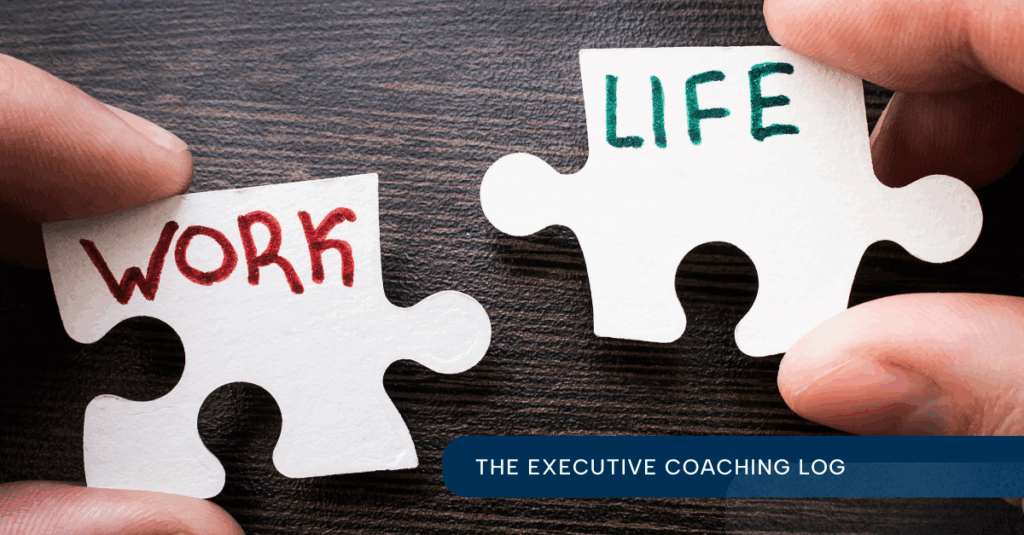
We live in a time that demands more and more of our time, attention, and energy. The dominant narrative insists on the need to find a balance between professional and personal life, as if it were a scale where we could always place the same weight on both sides. But in practice, that balance is often an illusion. What we truly face is the challenge of conciliation: making conscious decisions about what to address, when, with what internal resources, and with what consequences.
Conciliation is not about dividing time equally among all areas of life. It’s about prioritizing with clarity, considering our roles, responsibilities, energy cycles, and specific contexts. Sometimes this means dedicating more time to work; other times, it means protecting space for rest or personal matters. And that’s okay, if the choice is deliberate and sustainable.
One of the first steps toward better conciliation is to question the reactive culture that surrounds us. We live putting out fires, trapped in a permanent sense of urgency. That mindset, although addictive and seemingly productive, distances us from strategy and robs us of perspective. Urgency is seductive, but proactivity puts us back in control. Anticipating, planning, and acting ahead of time is a skill that can be developed—not a luxury.
In addition to time, we must learn to manage our vital energy. It’s not enough to be well organized if we show up to each task mentally foggy, chronically tired, or on autopilot. This is where stress becomes a key factor. Not all stress is harmful; some types can mobilize and strengthen us. The problem is distress—a sustained state of tension and exhaustion that impacts our health, relationships, and performance. What makes the difference is not what happens to us, but how we interpret it and respond emotionally.
Sleep hygiene, digital disconnection, conscious transitions between work and personal life, and even the way we manage email or meetings all contribute to a daily ecology that can either support or sabotage us. In this regard, leveraging powerful AI tools to automate transactional processes can be a great support.
Ultimately, conciliation also means relating to our commitments in a different way. Asking ourselves honestly: Does this new “yes” deserve to displace something I’ve already committed to? Am I willing to reschedule what will be affected? Conscious time management is, at its core, an ethical management of our agreements.
Beyond techniques or calendars, the greatest act of leadership we can exercise is learning to lead ourselves—with focus, with compassion, and with a renewed awareness that our energy is limited but deeply valuable. And that caring for it is caring for our ability to make an impact, to serve, and to live with purpose.